

What makes a great teacher?
If you are here, you are probably a person who teaches and wants to be the best you can be. I think all teachers desire to do the best they can for their students each time they meet. Being a teacher is a calling that is special and can make a difference in student’s lives forever. That being the case, what makes a great teacher stand out? What should a person looking to engage a teacher for their child look for in a person in whom they are entrusting their student?
Education - A great teacher never stops learning. They should have credentials that show that they have the background to work with students. While a college degree in music is not required and many people with all types of degrees or no degrees at all are excellent musicians and teachers, the amount of training and skill IS important. A teacher should have knowledge and expertise at TEACHING in his/her area and be always looking at new ideas to make their teaching better. Many musicians will tell you that they have great skill at their instrument, but would not be capable teachers. If you have chosen to teach, then always be learning. There are a variety of YouTube videos, websites and online webinars available to help teachers grow. Take advantage of these. Look for new teaching ideas and be a lifelong learner in your field of expertise. Growth makes us all more vibrant and alive people so that we can instill that excitement into others.
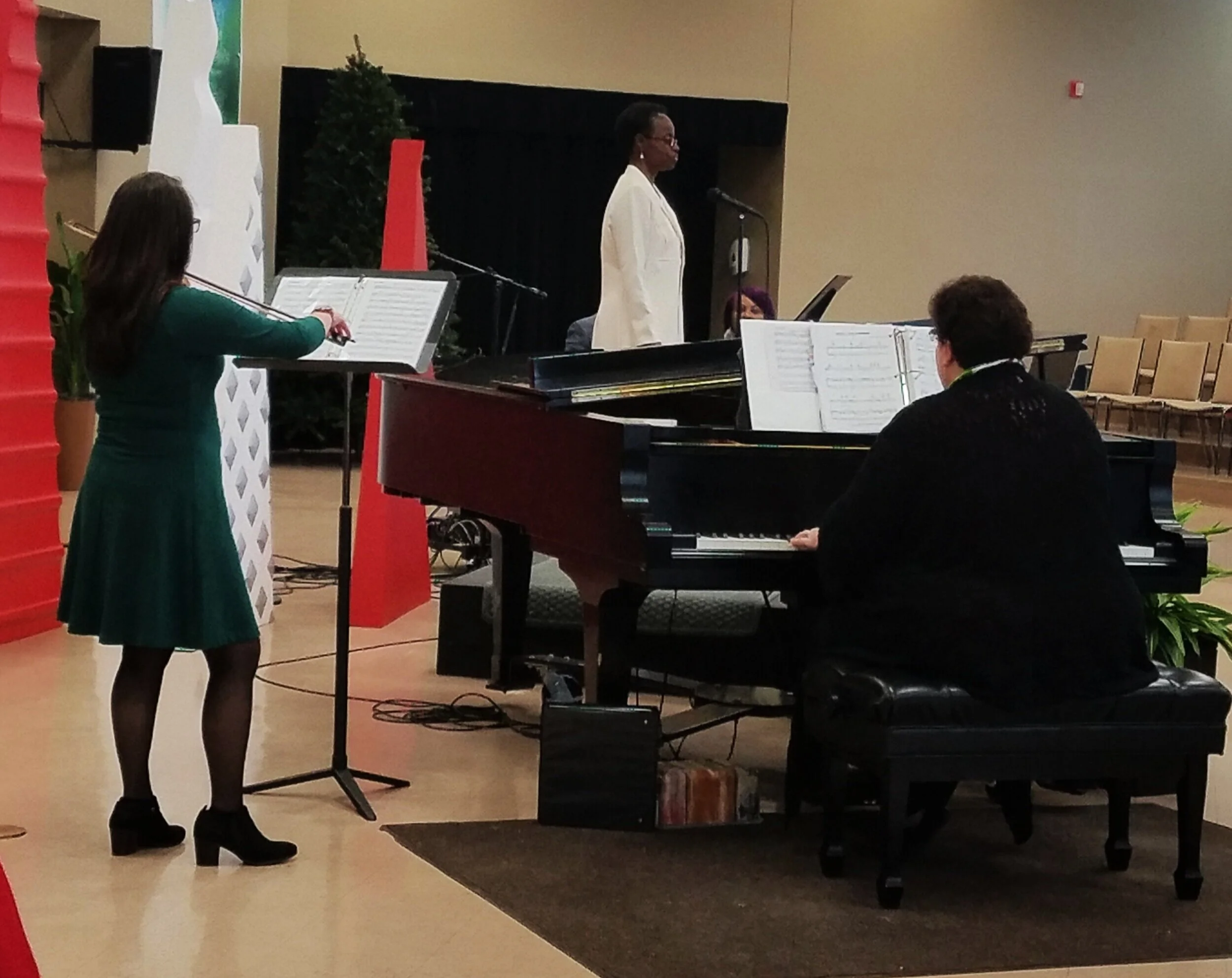
GREAT TEACHERS CREATE…
Amazing students!
2. Personality - The teacher should be able to engage students and encourage them to learn. They should have the ability to work with all types of people and communicate in a way that is clear, respectful and even fun! Education should be an active process and how the teacher approaches their students will create an atmosphere that can make or break the learning process. Make your studio a place where students look forward to coming. Decorate the area. Greet students with a smile and a happy voice as they enter. Ask about their day and how they are feeling before you start. If they are having a rough day, you will be able to encourage them and know that this lesson might be a time for some easier beginning songs that bring happiness before you jump into more challenging things. Rejoice with them in happy times. Get to know them. Speak to parents, if possible, as students leave and give the parent a happy thought. If I can’t speak personally, I will often text a parent quickly and just say, “Great lesson today!” This builds rapport with students and parents and helps when you ask for more difficult things like for the student to practice more frequently, etc. If you are having a bad day, the student still deserves your best self for their lesson. Greet each student as if they are …and they ARE … welcome and loved!
3. Teaching Strategies - A teacher who engages their students with a variety of teaching strategies is going to be a much more effective instructor. Students should constantly be INVOLVED in the learning process. Throughout a lesson, there should be…
a. Questioning and wait time for answers
b. Statements of expectations
c. Modeling by the teacher
d Rigor
e. Repetition
f. Time to think and reflect
g. Games or some fun activity
h. Review
4. Expectations - As an instructor, you should know what you want your students to learn at each lesson. Why? I know what the goal is…to teach them how to play the piano or how to sing well or … Yes, but this overarching goal will come at different paces for different students. What is your expectation for each student? Do they know what you expect to happen? Here are my MAIN expectations for my students at each lesson:
a. They have practiced during the week and know their music better this week than last week.
b. They will try their best during the lesson and focus.
c. They will leave better than they came in with more knowledge and skills.
Beyond those 3 things, I have specific goals for each individual student. These are things that you set AFTER you know them. These are fluid goals that change weekly. Perhaps the first lesson is just to see where they are and to begin a foundational skill set. However, as they continue to learn, I may begin scales and have a goal that they will play 3 scales with both hands in one octave, etc.
If a teacher has no goals for their students, that teacher is doing a disservice to that person. NO GOALS = NO MEASURABLE GROWTH. To just go from lesson to lesson and have a student come in and do the next page and go home is not going to kindle a joy for music or for practicing - and we all know that is a subject all it’s own! Have goals! Let your student know what you are expecting from them and hold them accountable. Then, when you see the growth, you can both rejoice!
These are just four things I believe make a great teacher. While there may be more, these are characteristics that teachers should have to be successful with students. However, there is one more thing I think is even more important and that is that the teacher LOVE their students and the opportunity to teach them. They should be invested in these lives that come to them each week. When a student finds that person to be their teacher, WHAT A BLESSING! Be that teacher and make the world a more musical and joyful place for us all!
THINGS I HAVE LEARNED TEACHING ONLINE (remote) LESSONS:
As the Corona Virus closed down schools and schools of music, many of us have gone to online lessons. I have taught both piano and voice lessons online now and have gained some knowledge that I hope will help you. Here are my top 8 points for teaching online lessons.
Have the music your students have in front of you. You may have to purchase sets of music for all the different levels of students, but it is vital that you have music in front of you. If you absolutely can not do this, have the parent or student take a picture of their music before each lesson and text or email it to you. This one step will change your teaching in a big way!
Ask tons of questions. When I teach in person, I often give time for the students to think before I step in and correct or ask questions, but online, this causes a loss of focus. Students need you to ask them if they know what measure they are on, what is the time signature, what is the key signature, etc. I often have my students point to where they are in the music so that we both know that we are on the “same page”. If they make a mistake, ask them what the note is or whether it should be sharp or flat. The more questions you ask, the better their focus and the more they learn because there is a disconnect between you and the student which questioning helps to alleviate.
Make sure the student camera set up is so that you can see both the student and their hands on the keyboard. If you have to choose, choose their hands. It is vital that you see what they are doing so that you can correct mistakes in hand position, fingering, etc. before it becomes a bad habit that you have to break. This might be one of the biggest hardships in online teaching – being able to stop poor hand positions, fingering, etc. before it becomes ingrained. I will often have students send me a video through the week so that I can check it for bad habits that are growing.
Make sure you have a keyboard/piano near you so that you are can demonstrate for your students. I have found that seeing me and hearing me play a song will often help them as they work on their own. This has an added benefit of ear training. I will often play a note and say “this is the note you are missing. Can you hear what you played wrong?” This will allow them to tell me that the note they played is too high, too low, should be sharp, etc.”
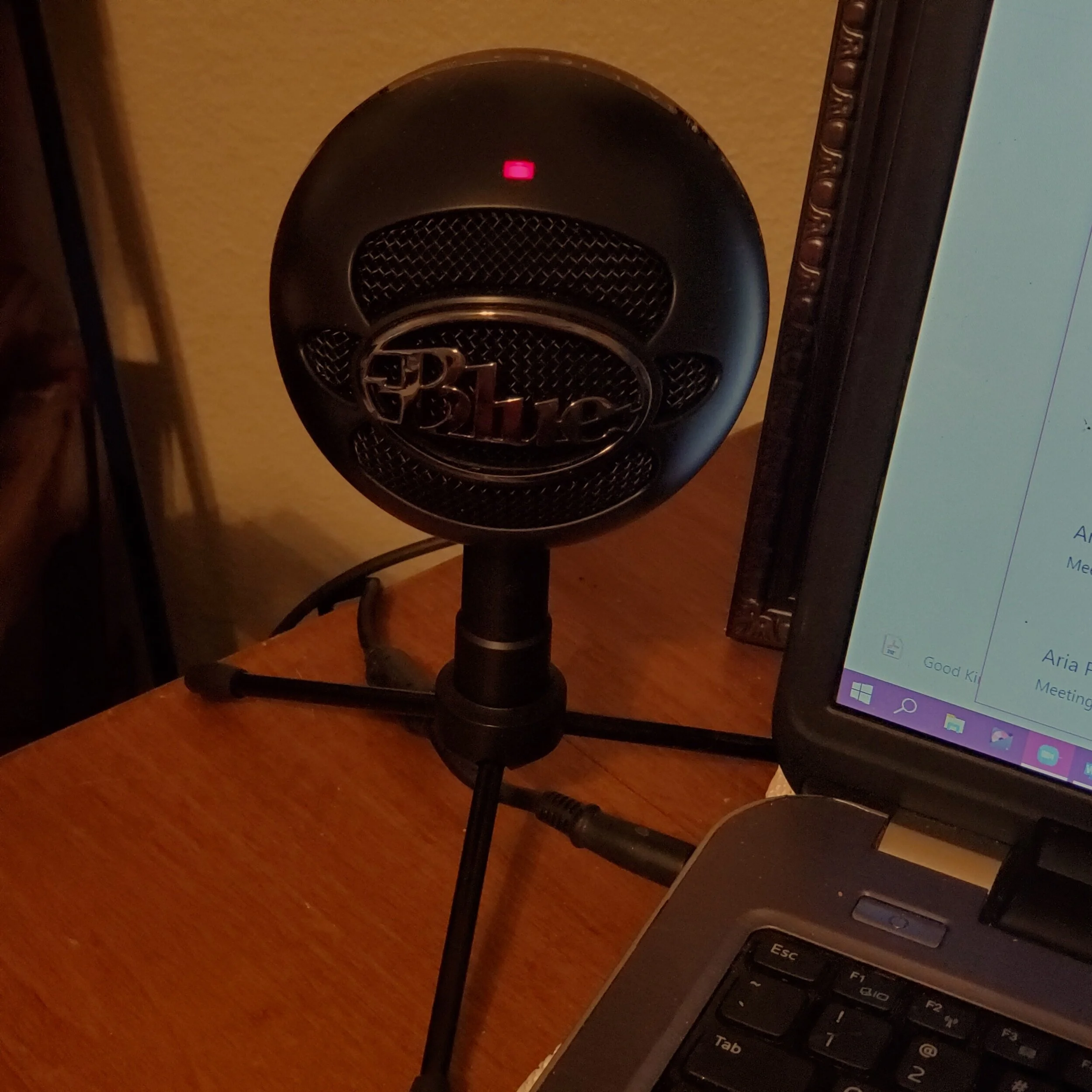
Have a good microphone and camera set up for yourself. No matter what platform you use to teach through, you will need to create a space with good lighting, good sound and a clear picture. Personally, I have used the “Blue” microphone and have found it to be a great enhancement to my teaching. Especially with my voice students, this microphone allows you to hear both music and voice together without distortion.
Check out information on how to use your platform for music teaching. There are many videos out there that will teach you how to do the settings on your particular platform to amplify and clarify your teaching. Most platforms are made for meetings where there are lots of people and so they want to take out the background noises and only amplify the speaker. When teaching music lessons, we need the background noises because we are using both voice and piano. This means you will need to change your settings to get the best audio quality possible. Check into this. Here is one great video about using ZOOM for music lessons that I found extremely easy to follow.
Keep a log of what your students are learning. While doing “in studio” lessons, my students bring a notebook which I write their assignments in each week, so when they come to their lessons, I only need to look at THEIR notebooks to see what they are supposed to play. After the first week of lessons online, I realized that I didn’t have a clue what page they were on, etc., so I created a “student page” for myself where I could keep up with what they are learning, pages to practice and notes for myself on what I told them to work on especially hard and what I need to do for them before the next lesson. This has made my life music easier. I will link to this free resource here.
Finally, encourage your students constantly. Send them text or email or card letting them know you are thinking about them. Teachers and students thrive on the personal contact each week and the bonds that you build within the studio. This is missing online and it takes a bit of extra effort to create that special relationship that makes the teacher/student so unique. Tell them you are proud of how hard they are practicing and send their parents a text praising them. This will make a huge difference in the joy they have as they get online with you each week. Make it fun!
GREAT REMOTE LESSONS…
Be prepared, be engaged, enjoy!